
Most homeowners in Kenya assume that all roofing sheets are the same once they are painted. They walk into a hardware store, look at the color, and pick the cheapest option available. However, what happens inside a mabati factory in Kenya determines whether your roof will last for thirty years or start fading and rusting after just two rainy seasons. Understanding the manufacturing process is the only way to avoid the trap of low-quality materials that look good on day one but fail by year two.
As we move through 2026, the demand for durable housing has led to significant advancements in how roofing sheets manufacturers in Kenya handle raw materials. According to industry reports on construction quality, the secret to a long-lasting roof lies in the chemical bond between the steel core and its protective layers. For more on what to look for, check out our guide on choosing mabati in Kenya for the facts most buyers miss.
The Journey from Steel Coils to Your Rooftop
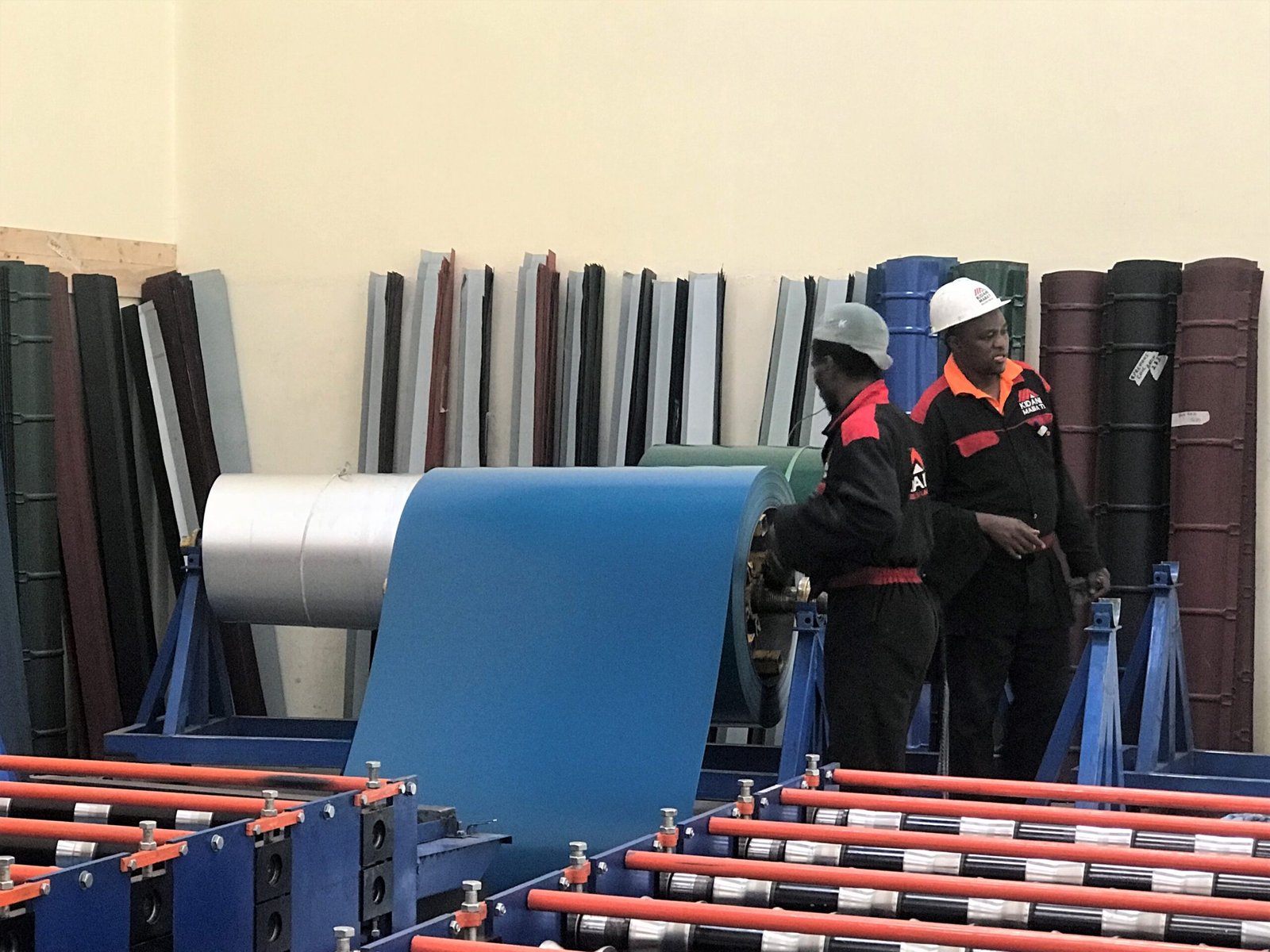
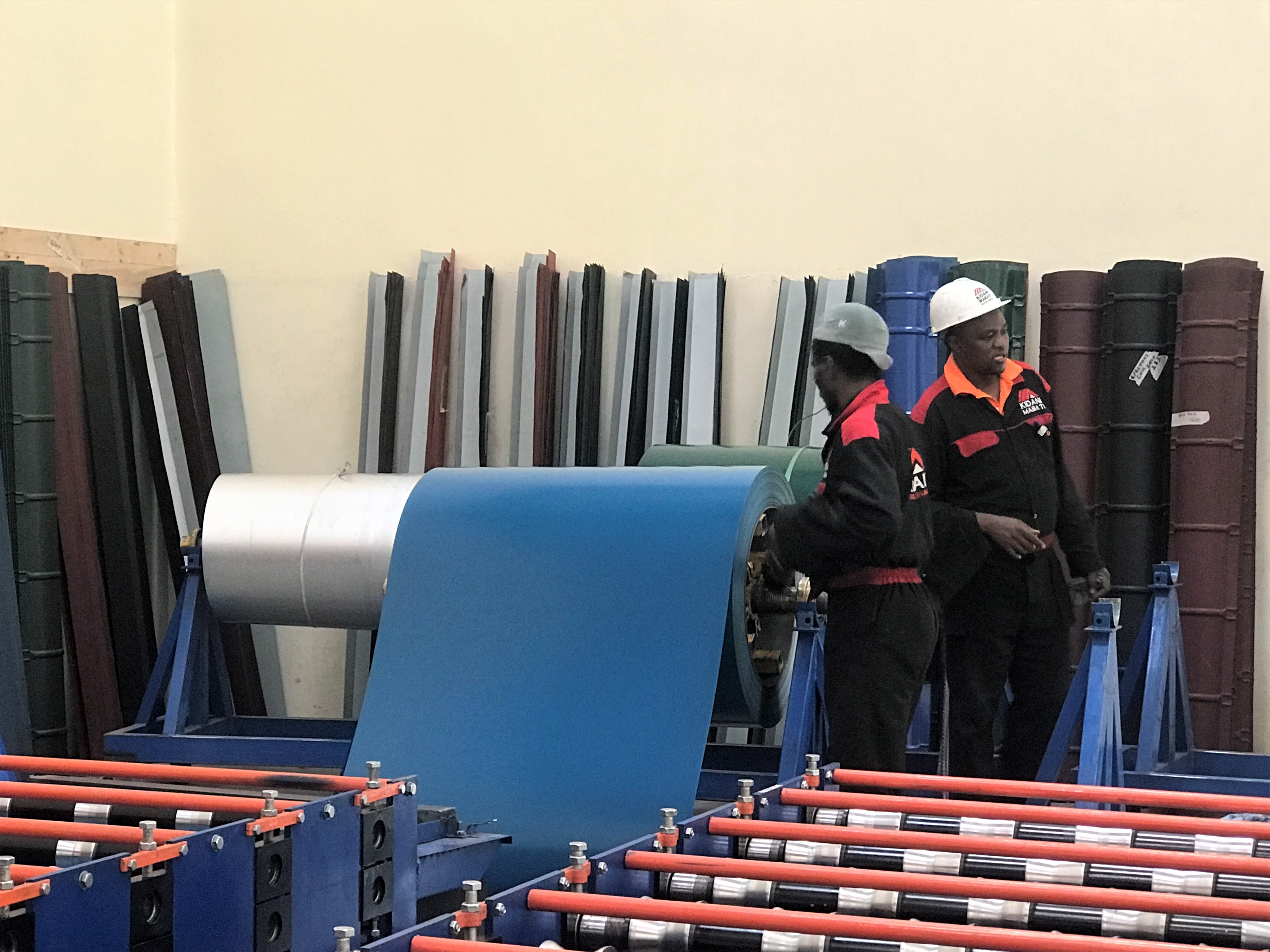
The manufacturing process begins with massive cold-rolled steel coils. These coils are the backbone of your roof. In a high-standard mabati factory, these coils undergo a process called galvanization or Aluzinc coating. This involves dipping the steel into a molten bath of zinc or a mix of aluminum and zinc. This layer is what prevents the steel from coming into contact with oxygen and moisture, which causes rust.
After coating, the steel is painted using a specialized oven-curing process. This isn’t like painting a wall; the paint is chemically bonded to the metal at high temperatures to ensure it doesn’t peel off under the harsh Kenyan sun. Whether you are looking at box profile vs tile mabati prices, the quality of this paint bond is a major factor in the final cost.
-
Cold Rolling: Shaping the raw steel to the desired thickness.
-
Galvanizing/Aluzinc Coating: Adding the rust-protection layer.
-
Color Coating: Applying high-grade pigments for aesthetics and UV protection.
-
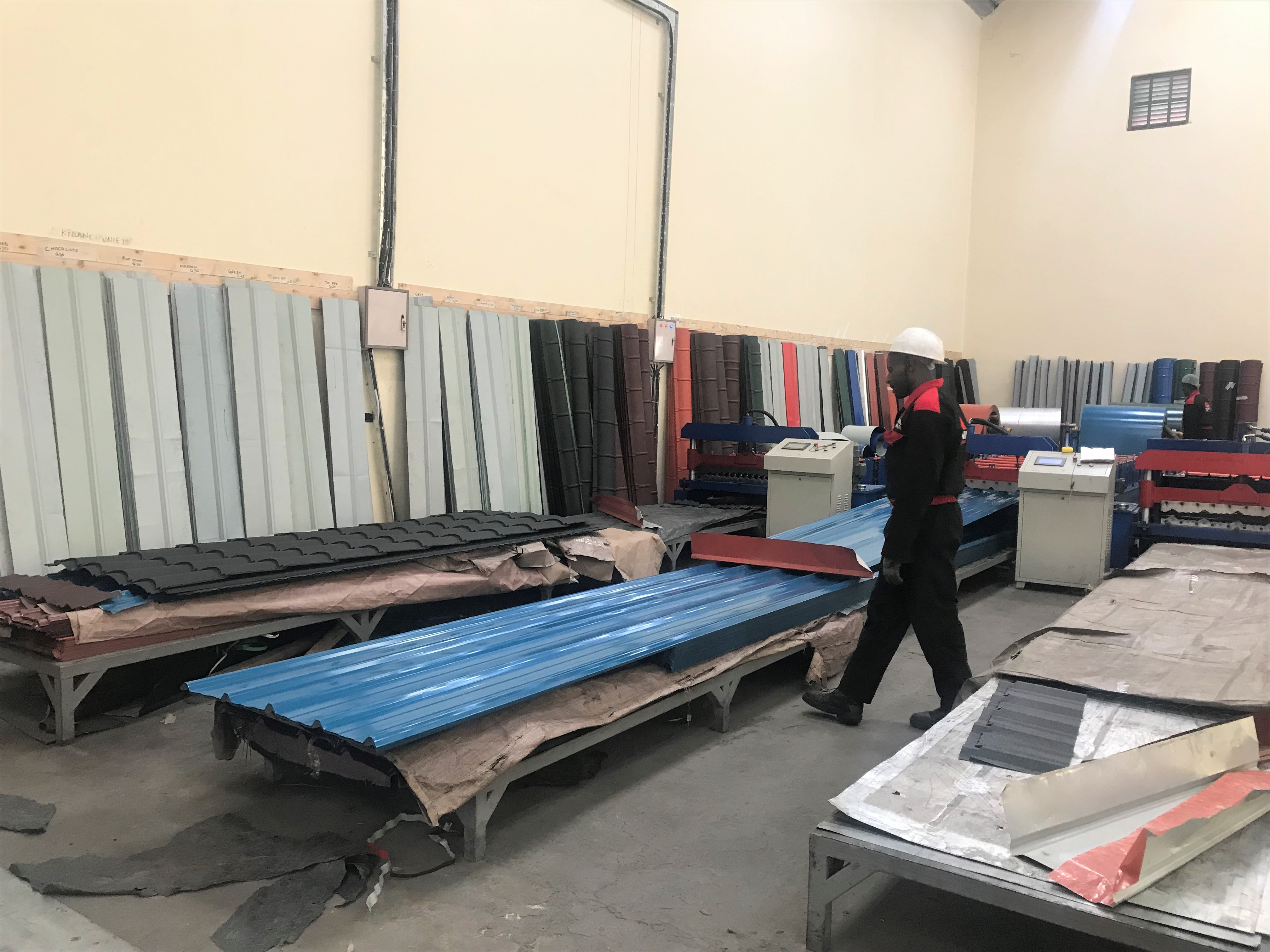
Profiling: Running the flat sheets through rollers to create Tile, Box, or Corrugated shapes.
-
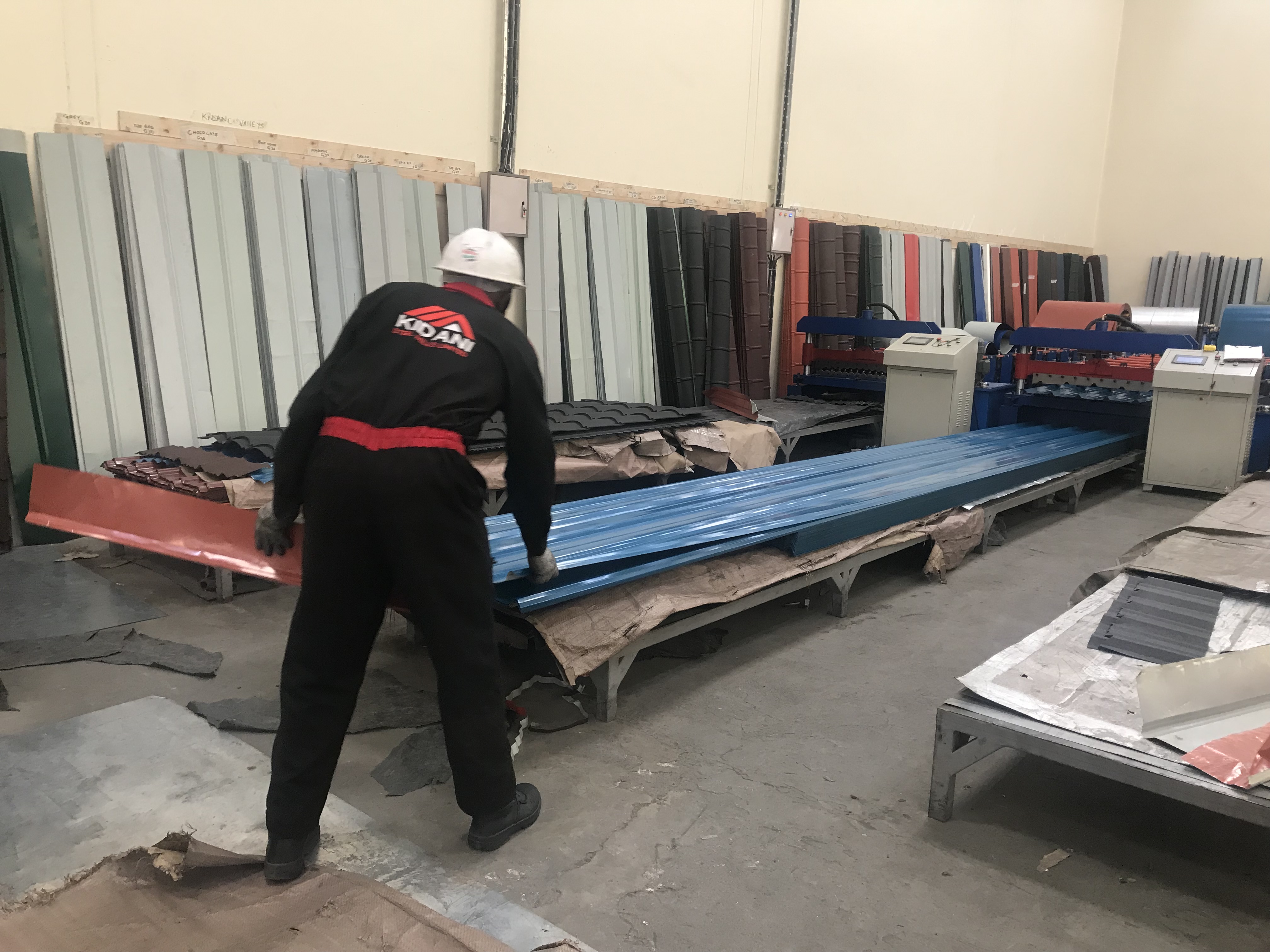
Cutting: Precision cutting to the exact lengths required by the customer.
Gauge 28 vs Gauge 30: The Strength Difference
One of the biggest points of confusion for builders in 2026 remains the difference between gauge 28 and 30 mabati. In the world of metal, a lower number means a thicker sheet. Gauge 28 is thicker and more structural, making it ideal for residential homes where you might need to walk on the roof for maintenance. Gauge 30 is thinner and often used for smaller structures or when the budget is extremely tight.
The Kenya Bureau of Standards (KEBS) sets specific guidelines for these thicknesses to protect consumers. When you buy directly from a reputable source like Kidani Mabati, you are guaranteed that a Gauge 28 sheet is truly 0.32mm to 0.4mm thick, rather than a ‘light’ version that won’t hold up against heavy winds. This precision is a key part of our commitment to transparency in the building industry.
What Determines Mabati Prices in Kenya?
You might wonder why prices fluctuate so much between different manufacturers. Several factors are at play in 2026. First is the global price of raw steel. Second is the thickness of the zinc or Aluzinc coating (measured in grams per square meter). A factory that cuts corners on the coating can offer a lower price, but the roof will rust much faster. This is why life-cycle thinking is crucial when budgeting for your home.
At Kidani Mabati, we focus on providing factory-direct prices. By eliminating middlemen, we ensure that you get high-quality Kidani Tile or Kidani Prime profiles without the extra markups found in local hardware stores. We even offer free nationwide delivery to help you manage your construction logistics more efficiently.
How to Test Mabati Quality on Site
If you are at a site and want to check if you’ve received what you paid for, use these three simple tests: First, use a micrometer screw gauge to check the thickness. Second, look at the back of the sheet for the manufacturer’s branding and gauge stamp. Third, perform a ‘scratch test’ on a small corner; high-quality paint shouldn’t flake off easily. For more tips on navigating the 2026 market, see our industry insights on modern business practices.
The Professional Insight
Experienced contractors will tell you that the roof is the most important part of the ‘envelope’ of your house. If the roof fails, the ceiling, electronics, and furniture are all at risk. According to architectural standards, spending 10% more upfront on a higher gauge and better coating can save you 100% of the roof’s cost in repairs over the next decade. This is why choosing the right mabati factory is a decision for the future, not just for today.
Whether you prefer the modern look of Box Profile or the classic elegance of Kidani Zigtile, always insist on seeing the technical specifications. If a deal looks too good to be true, it likely involves a sacrifice in the Aluzinc coating or the paint quality. Stay informed by following Kenya’s investment and construction trends to ensure your property value remains high.
Ready to roof your dream home? At Kidani Mabati, we make the process simple. With a 50% deposit and the balance on delivery, plus our free nationwide shipping, we bring the factory directly to your site. Build with confidence, build with Kidani.