
Building a home in Kenya is a monumental achievement, yet many homeowners focus so much on the walls that they overlook the critical nuances of the roof. As of January 31, 2026, the market is flooded with options, making it harder to distinguish between genuine quality and clever marketing. Understanding how to navigate modern buying journeys is essential for any developer today. Most buyers make the mistake of choosing based on color alone, ignoring the technical specifications that prevent rust and leaks.
The Truth About Gauge 28 vs Gauge 30 in 2026
One of the most common myths in the Kenyan construction industry is that all ‘heavy’ mabati are the same. In 2026, the distinction between Gauge 28 and Gauge 30 has become a focal point for structural integrity. While Gauge 30 is thinner and more affordable, Gauge 28 offers the thickness required for long-term durability in areas with high wind speeds or heavy rainfall. Industry experts report that using the wrong gauge can lead to buckling under the weight of a solar water heater or during extreme weather events.
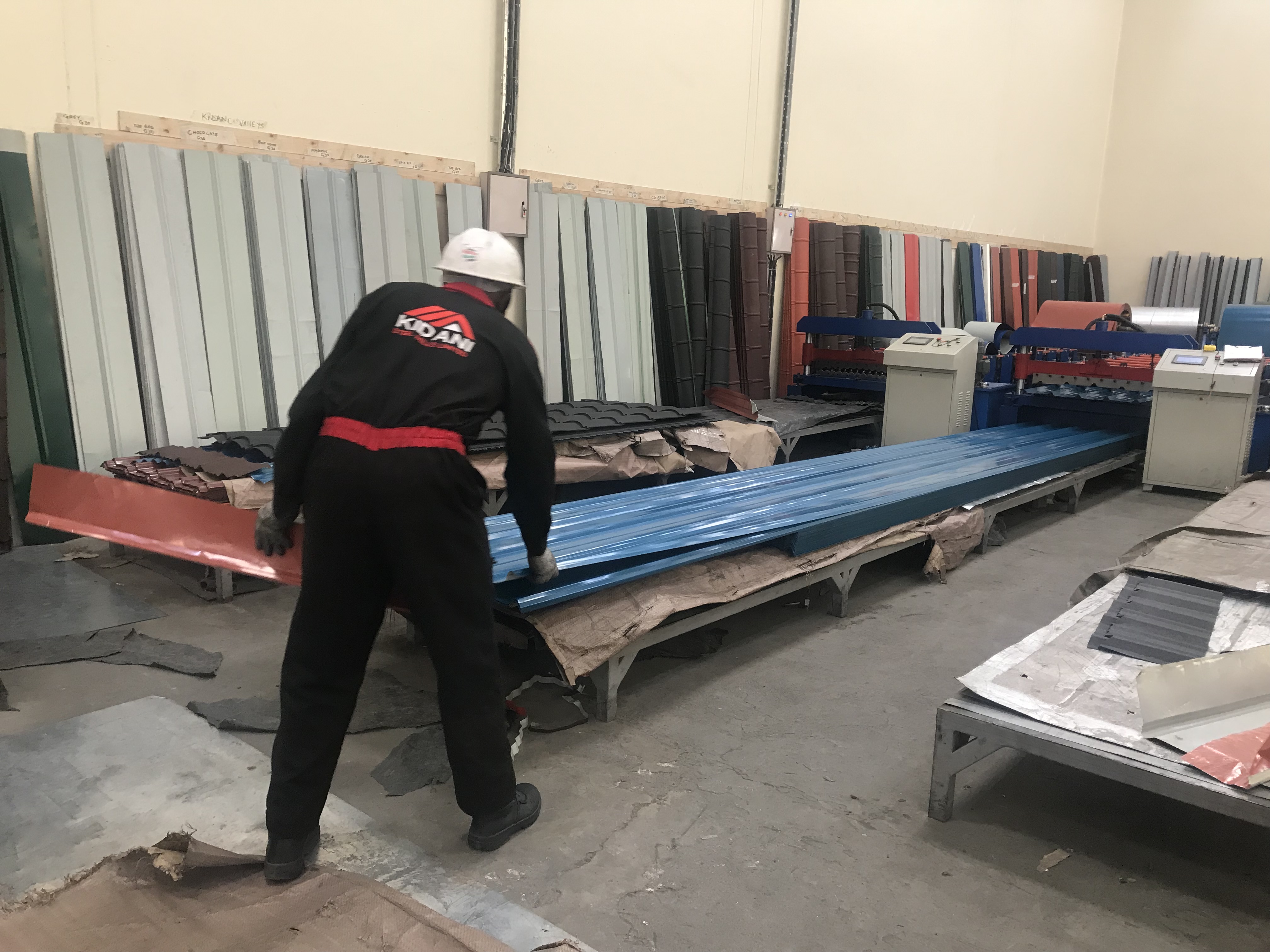
To learn how to identify genuine gauge 28 mabati, you should always check the inkjet branding on the underside of the sheet. Authentic manufacturers in 2026 clearly state the gauge and the Aluzinc coating grams per square meter. At Kidani Mabati, we emphasize transparency, ensuring that what you pay for is exactly what is delivered to your site.
Matte Finish vs Glossy Mabati: More Than Just Aesthetics
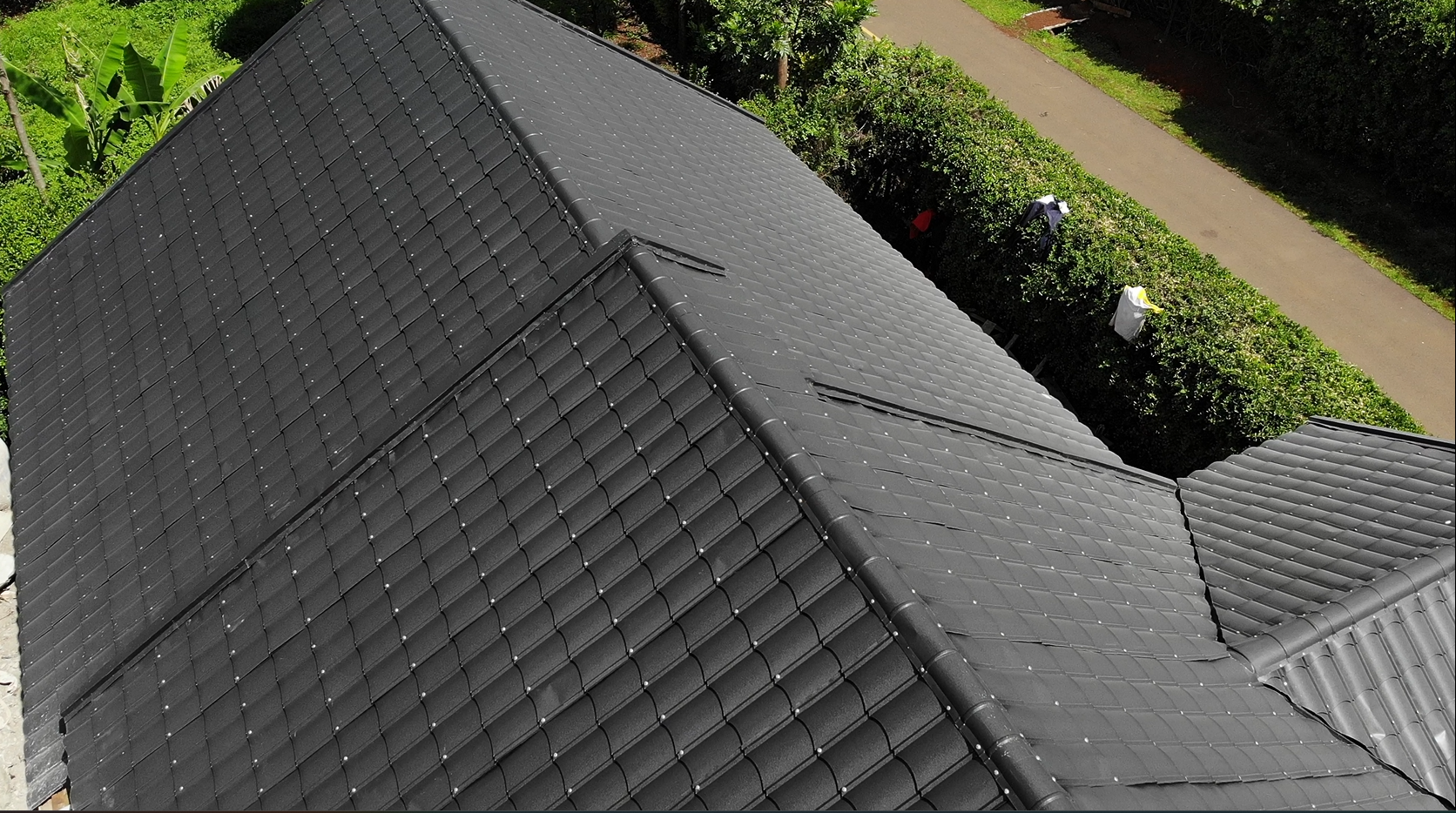
When debating matte finish vs glossy mabati durability, many Kenyans assume it is purely a matter of style. However, the latest charcoal grey mabati designs of 2026 utilize advanced textured coatings that offer superior UV resistance. Glossy finishes, while vibrant, tend to show scratches more easily during installation and can fade faster under the intense Kenyan sun. Matte finishes often incorporate a thicker layer of paint that acts as a secondary shield against corrosion.
- Matte finishes reduce glare, which is often a requirement in certain controlled residential estates.
- Glossy finishes are easier to clean as dust washes off more readily with light rain.
- Textured matte options provide better grip for fundis during the installation process, reducing the risk of accidents.
Location Matters: Choosing the Right Roofing for Coastal Kenya
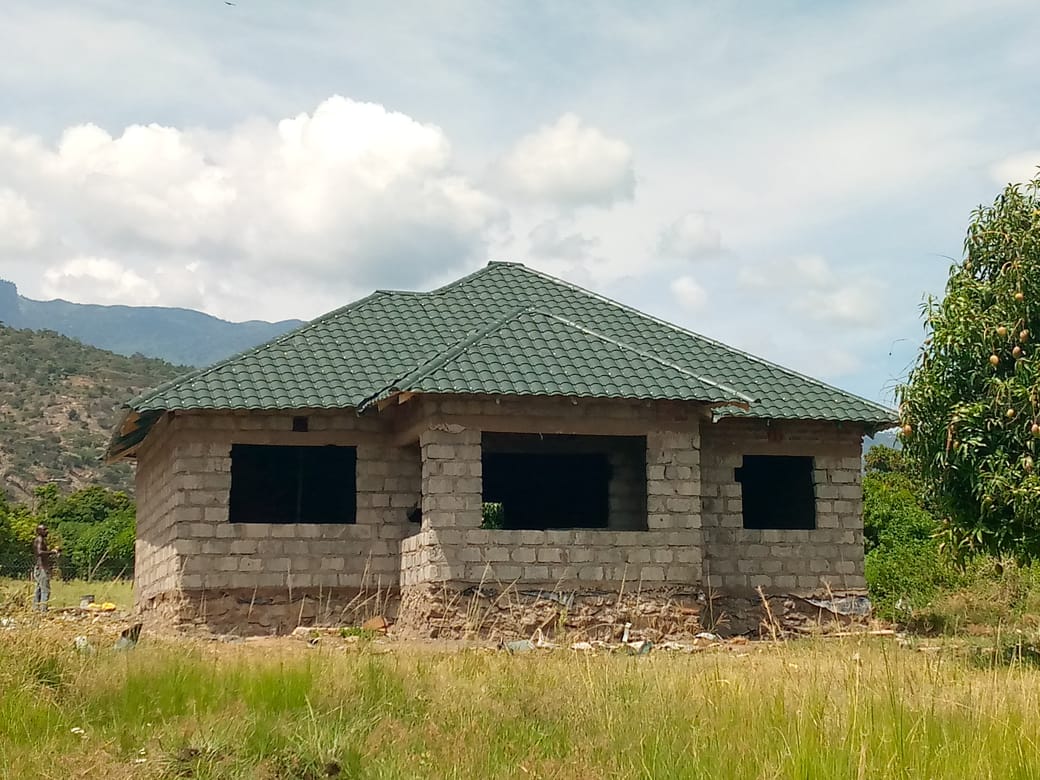
If you are building in Mombasa, Malindi, or Diani, the salt air is your roof’s greatest enemy. Choosing the right roofing gauge for coastal Kenya is not enough; you must also consider the chemical composition of the coating. In 2026, eco-friendly stone coated roofing tiles in Kenya have become a preferred choice for coastal developers. These tiles use a volcanic stone chip layer that is naturally resistant to salt corrosion and provides excellent sound insulation during monsoon rains.
For those on a tighter budget, high-quality Aluzinc sheets with a minimum coating of AZ150 are recommended. This ensures that the steel core is protected from the electrochemical reaction caused by sea salt. For more on localized business trends, see how Kenyan search trends are shaping the way materials are sourced in different counties.
Understanding Mabati Prices in Kenya Per Sheet 2026
As of early 2026, mabati prices in Kenya per sheet are influenced by global steel prices and local manufacturing efficiencies. Buying directly from a factory often results in significant savings. When looking for mabati factory prices in Nairobi, it is important to factor in the total cost of ownership. A ‘cheap’ sheet that requires replacement in five years is far more expensive than a premium Kidani Tile or Kidani Prime sheet that lasts for decades.
According to the Kenya National Bureau of Statistics, construction costs have stabilized in 2026, but quality remains the primary driver of long-term value. Always ask for a detailed quote that includes accessories like ridges, valleys, and nails, as these are often forgotten in initial budgeting.
The Smart Way to Budget for Your Roof
Smart budgeting involves more than just the price per sheet. You must account for the wastage that occurs during the cutting of complex roof designs like the hip and valley style. Many homeowners find that transitioning from traditional SEO-driven research to a more Search Experience Optimization approach helps them find tools like roofing calculators that provide more accurate estimates.
- Request a free site measurement to avoid over-ordering or under-ordering materials.
- Consider the ‘Lipa Pole Pole’ or 50% deposit models to manage cash flow during the finishing stages of your build.
- Always verify if the price includes VAT and delivery to avoid hidden costs at the point of sale.
Installation: The Final Frontier of Quality
Even the best mabati brands in Kenya 2026 will fail if installed poorly. A common mistake fundis make is using a grinder to cut the sheets, which burns the protective coating and leads to edge rust. Experts at the National Construction Authority recommend using cold-cutting tools or specialized shears. Furthermore, ensuring the pitch of the roof is correct prevents water from ponding, which is a leading cause of leaks in Box Profile and Corrugated designs.
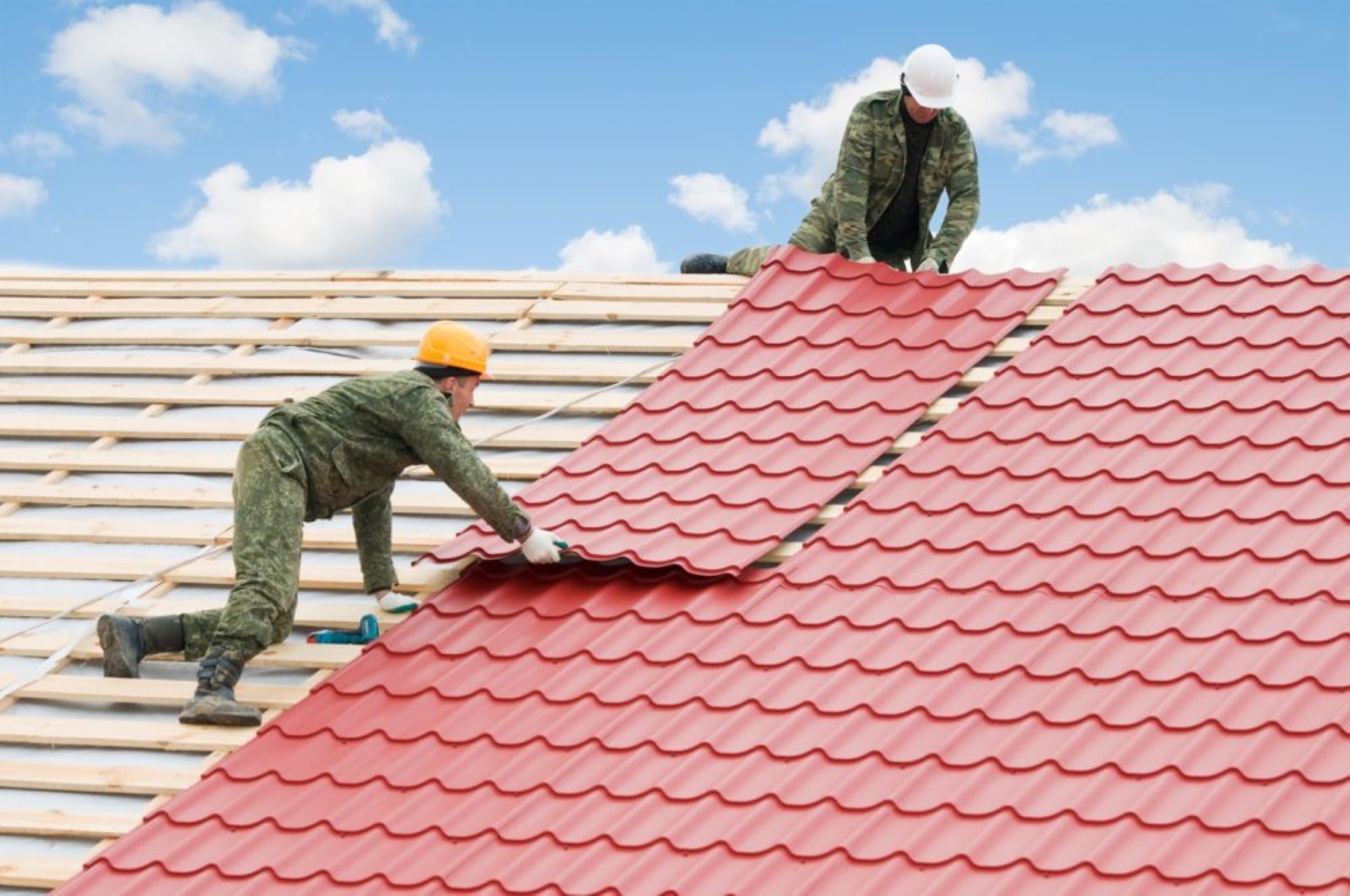
At Kidani Mabati, we believe in empowering our clients with the right information. Whether you choose our Kidani Zigtile for its aesthetic appeal or our classic Box Profile for its efficiency, we are committed to providing materials that stand the test of time. For further technical specifications, you can consult the Kenya Bureau of Standards guidelines on roofing materials.
Conclusion: Building with Confidence in 2026
The facts most buyers miss often revolve around the technical details—gauge, coating, and installation methods. By focusing on these elements rather than just the initial price, you protect your investment and your family. For more professional guidance on building and materials, the Architectural Association of Kenya provides excellent resources for first-time builders. Choose quality, choose transparency, and build a roof that you will never have to think about again.